Have you ever glanced at your tires and found yourself wondering why there are so many cryptic numbers and letters on their sidewalls? It’s like a secret code, isn’t it? No worries, I am like the tire whisperer.
Let’s unraveling all of this, OK? If you think of it more like a tire dating profile, this will be more fun, and you’ll get it.
-
Decoding Tires:
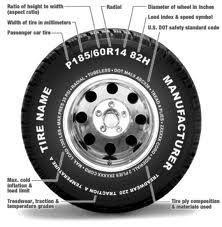
Imagine your tire as a person, with the letter at the forefront expressing its raison d’être. For instance, “P” denotes compatibility with passenger vehicles such as cars, vans, SUVs, and pickup trucks. “LT” signifies a tire tailored for light trucks, while “T” indicates a temporary spare for short-term use. “ST” stands for “Special Trailer Service,” designed exclusively for trailers. And if there’s no letter upfront, it’s likely a European metric tire, though a rarity in the US.
-
Unveiling the Width:
Before the slash (/), you’ll see a three-digit number denoting the tire’s section width in millimeters. This measurement captures the tire’s sidewall’s breadth at its widest point, offering insights into its physical dimensions.
-
Understanding the Aspect Ratio:
Following the slash, a two-digit number, known as the aspect ratio, comes into play. This figure represents the tire’s height relative to its width, expressed as a percentage. For instance, a 55% aspect ratio means the tire’s height is 55% of its width, providing an understanding of its proportions.
-
Discerning the Construction Method:
You’ll see another letter indicating the tire’s construction method. In most cases in the US, you’ll encounter an “R” denoting radial construction, the standard today. However, “D” signifies diagonal construction, primarily found in light truck and spare tires.
-
Gauging the Wheel Diameter:
Proceeding onward, you’ll encounter a two-digit number representing the wheel diameter in inches. This measurement elucidates the size of your wheel, crucial for ensuring compatibility and safe installation.
-
Evaluating the Load Index:
This numerical value shows the tire’s load index, indicative of the weight it can safely support. A higher index equates to a greater weight-bearing capacity, an important consideration for vehicles tasked with heavy loads or towing.
-
Assessing the Speed Rating:
The final letter denotes the tire’s speed rating. This classification indicates the tire’s maximum safe speed, with designations ranging from S and T for family sedans to higher ratings for sports cars capable of mega speeds.
Now, you’re better equipped to navigate all these tire specifications!